

With influenza cases climbing nationwide, Consultant Paediatrician Dr. Haema is urging parents to stay alert — especially those with young children, who remain the largest transmitters of the virus.
What Exactly Is Influenza?
Influenza is a highly contagious respiratory illness caused by the influenza virus. It affects the nose, throat and, in some cases, the lungs.
“The illness can range from mild to severe, and although rare, it can sometimes be fatal,” Dr. Haema explained.
What makes influenza especially challenging is the virus’ ability to change strains frequently through a process called antigenic shift. Because circulating strains can differ from year to year — or even within months — influenza tends to show strong seasonal surges. This is also why annual vaccination is recommended.
How Influenza Spreads
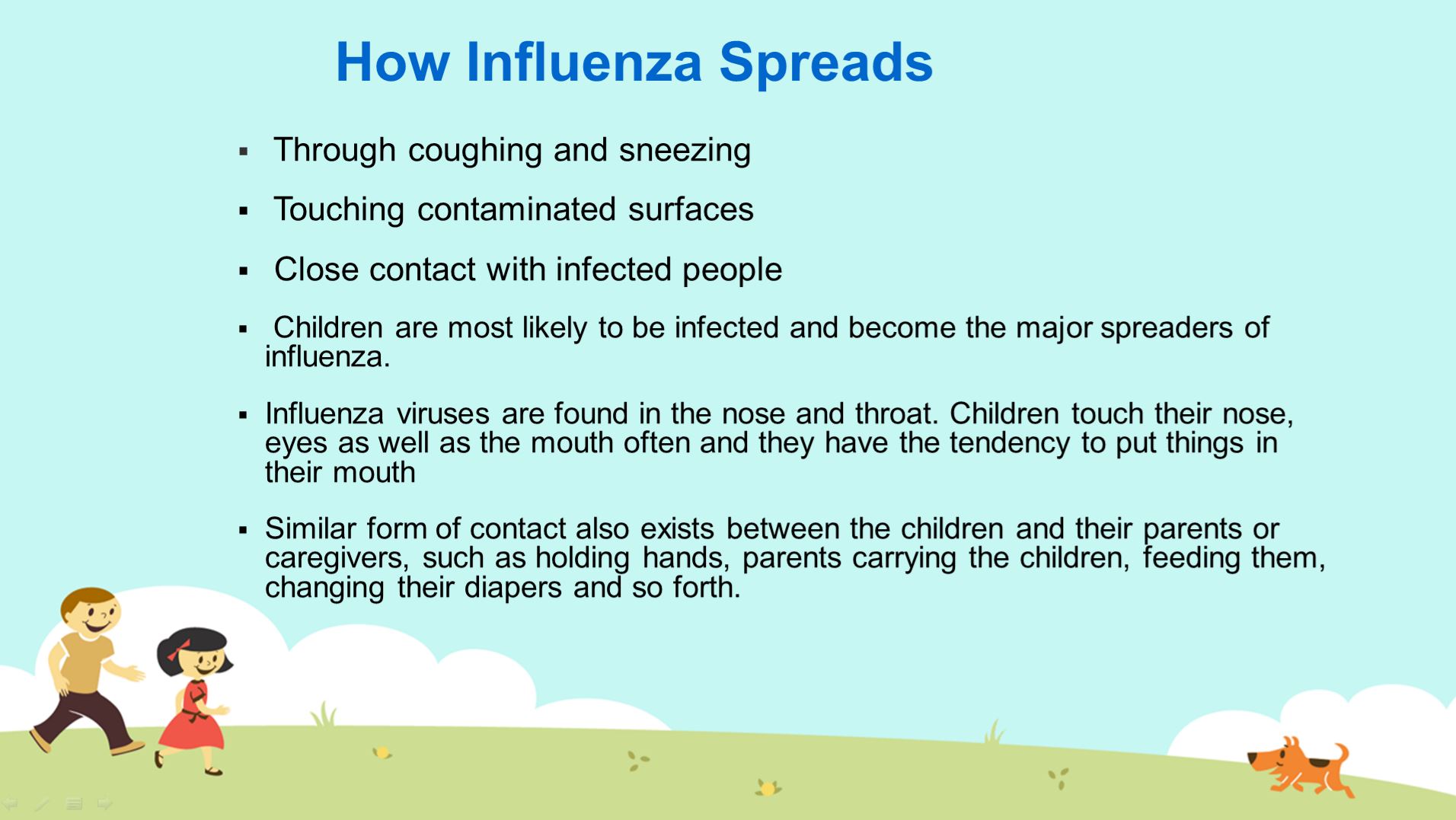
Influenza spreads rapidly through:
- Coughing and sneezing
- Touching contaminated surfaces
- Close contact with infected individuals
Children, Dr. Haema noted, are the most likely to become infected and are often the main spreaders. “The virus is found in the nose and throat, and young children frequently touch their faces and objects around them — then share them with others. Daily caregiving, feeding and close contact easily contribute to transmission.”
Common Symptoms in Children
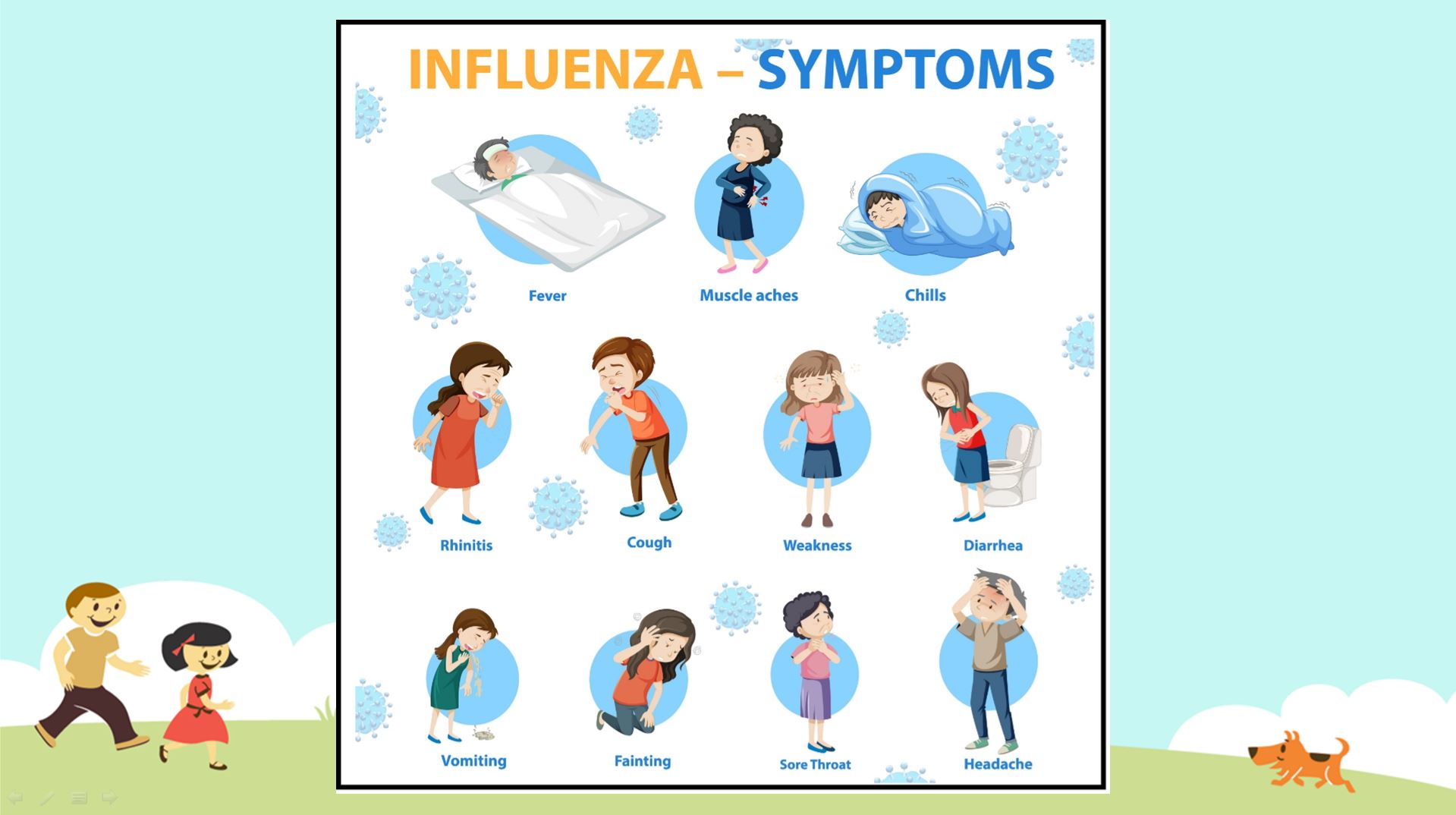
- Influenza usually begins suddenly with a high-grade fever. Other symptoms include:
- Muscle aches and body pain
- Chills
- Cough and runny nose
- Extreme tiredness
- Vomiting or diarrhoea
- Fainting or severe headaches
- Rarely, seizures
Who Is at Higher Risk?
Certain groups are more vulnerable to severe infection or complications:
- Children under five, especially those under two
- Elderly individuals
- Children with asthma, chronic lung disease or neurological conditions
- Individuals with heart, kidney or liver disorders
- Children with obesity (BMI > 40)
- Those with weakened immune systems
Possible Complications
“Influenza is not just a simple flu,” Dr. Haema emphasised. Potential complications include:
- Pneumonia — one of the most common complications
- Sinus and ear infections
- Worsening of asthma
- Dehydration due to poor appetite or vomiting
- Acute necrotizing encephalomyelitis (ANEC) — a rare but severe brain condition causing seizures, altered behaviour or loss of consciousness
She also warns against the use of certain medications. “NSAIDs should be used very carefully, or avoided, in children with influenza.”
When Should Parents See a Doctor?
Seek medical attention immediately if a child:
- Has persistent high fever
- Appears lethargic, confused or unusually inactive
- Shows difficulty breathing
- Has persistent vomiting
- Cannot drink or feed properly
Treatment and Prevention
Most cases are treated with paracetamol, adequate fluid intake and age-appropriate symptomatic relief. Antiviral medication may be prescribed in selected cases.
Prevention remains the strongest defence:
- Keep unwell children at home
- Practise frequent handwashing
- Cover the mouth and nose when coughing or sneezing
- Use a mask when unwell in public
- Get the annual influenza vaccine
The vaccine is recommended for all children aged six months and above, particularly those in high-risk categories. While vaccinated individuals may still contract influenza, the illness is usually milder with significantly lower risk of hospitalisation.
“As influenza cases continue to rise, awareness, early recognition and timely prevention can make all the difference,” Dr. Haema said.
None of the above is to be taken as professional medical advice. Readers should consult a doctor or qualified healthcare professional for advice specific to their situation.
The views expressed are those of the writer and do not necessarily reflect those of My Ipoh